
Just a Sip or the Whole Cup? The Real Difference Between DSD and Open Water
The Red Sea is vast and full of secrets. I explain the choice between a quick 'Discover Scuba' experience and the lifelong ticket of the 'Open Water' course. It is the difference between being a passenger and becoming a true diver.
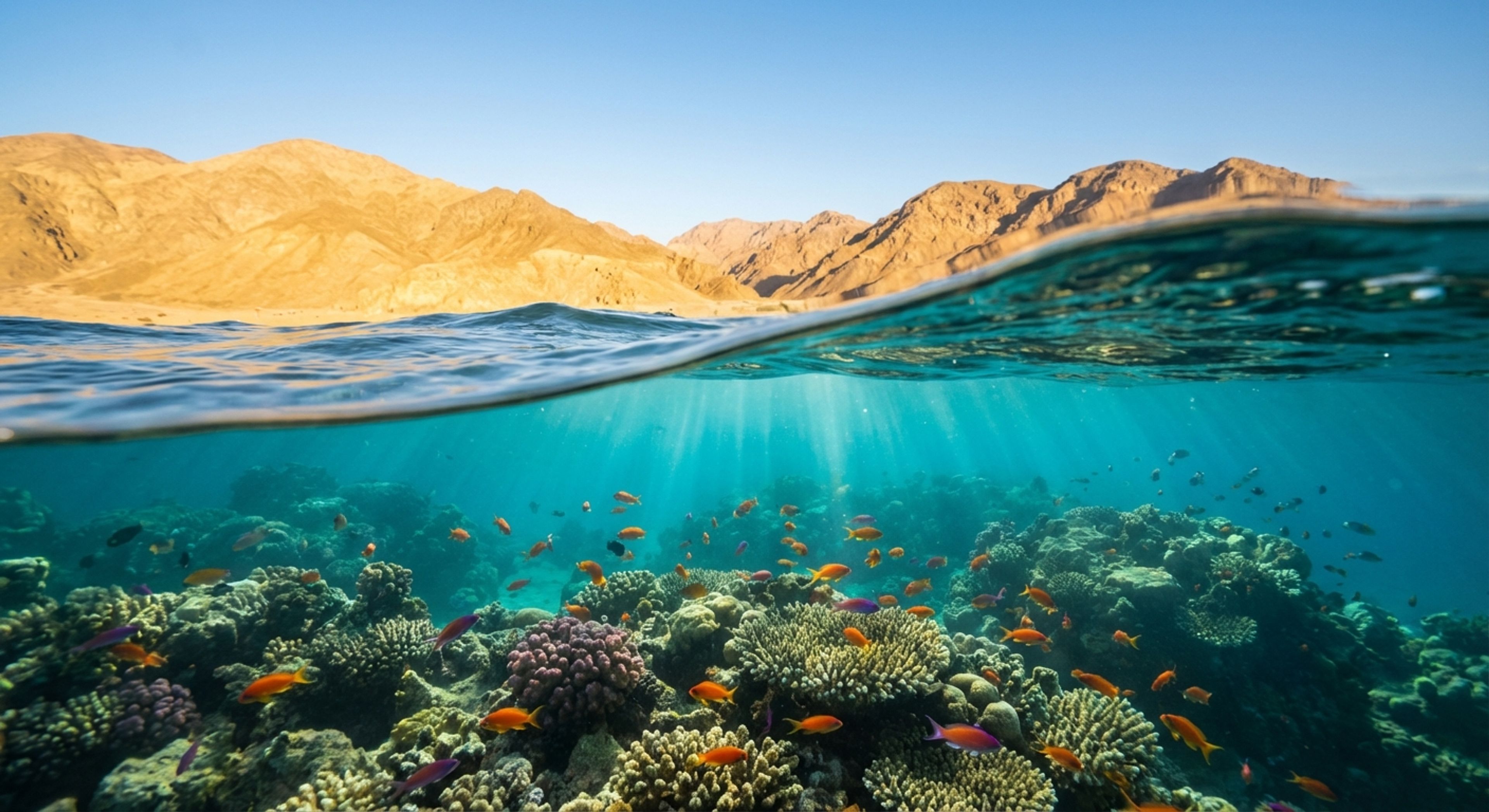
The sun here in South Sinai does not ask for permission. It burns. It heats the yellow rocks of the mountains until they shimmer, and the only escape is the water. The beautiful, deep blue water right in front of my dive center.
Every day, people walk in from the promenade, faces red from the heat, looking at the tanks lined up against the wall. They smell the salty air mixed with the neoprene drying on the racks, and they ask me the same question.
"Malik, I want to see the fish. But should I just try it for an hour? Or should I take the course?"
Sit down, my friend. Let me pour you some tea. It has Marmaraya, sage from the desert. Good for the stomach.
This question you ask is the difference between riding a camel while the Bedouin holds the rope, and learning how to ride a wild stallion across the dunes yourself. Both get you into the desert. But only one makes you a rider.
Let us talk about what we call DSD (Discover Scuba Diving) and the OW (Open Water Course). They are not the same animal.
The Tourist vs The Traveler
When you do a DSD, or what we call a "Try Dive," you are a guest in the ocean. A very welcome guest! But you are dependent.
Imagine you want to visit a strange new city. In a DSD, I am your personal chauffeur. I pick you up. I drive the car. I tell you when to look left and when to look right. You do not need to know how the engine works. You do not need to know the traffic laws. You just sit back, breathe, and look at the pretty Clownfish dancing in the anemone.
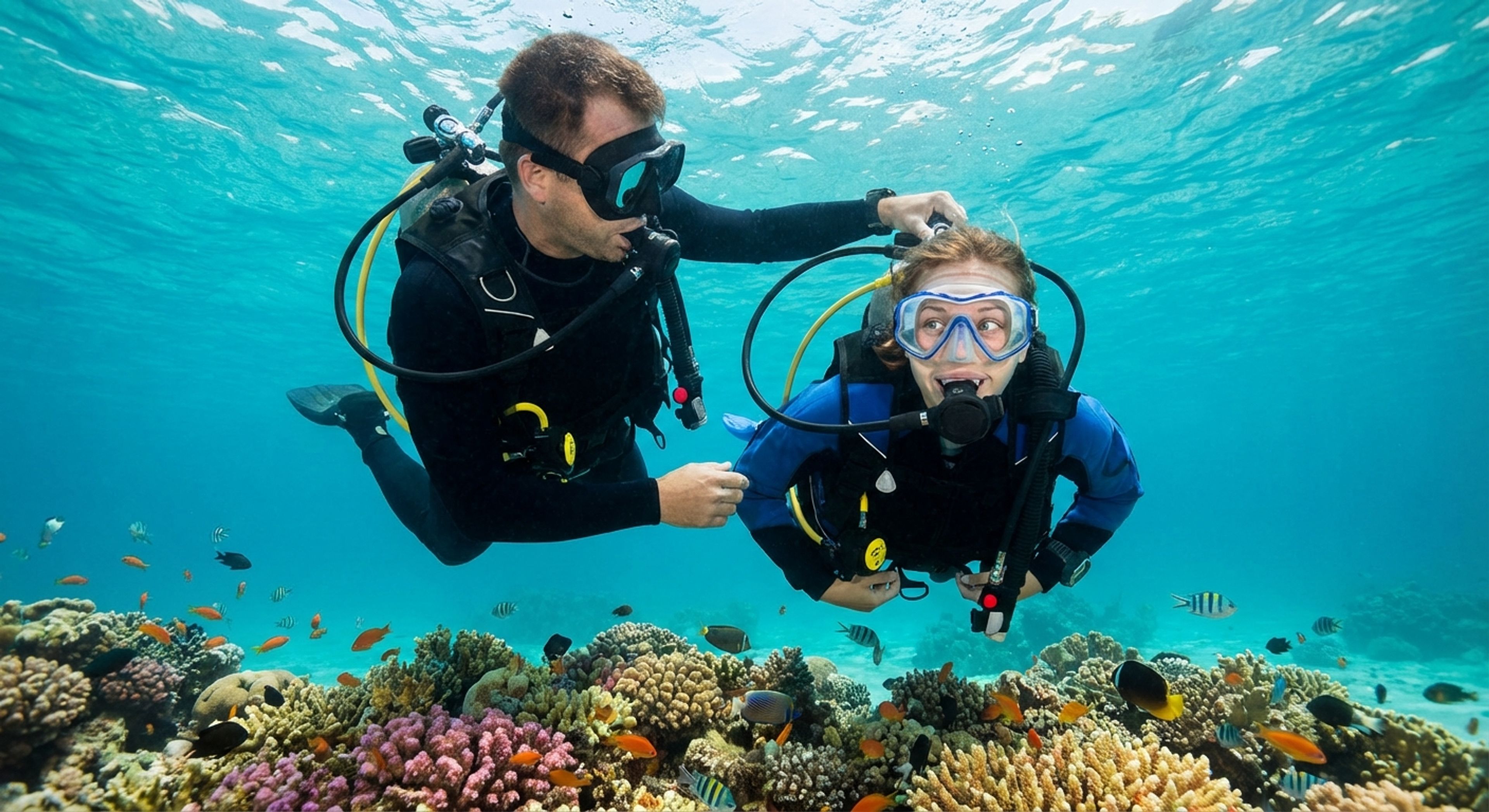
This is beautiful. I remember taking a young woman from Cairo for a DSD last week at the Lighthouse reef. She was terrified. Her eyes were wide behind the mask. But I held her tank valve. I adjusted her buoyancy. I checked her air. All she had to do was kick gently and breathe. When she saw a Blue Spotted Ray hiding in the sand, she forgot her fear. She was happy.
But she was not a diver yet. If I let go of her tank, she would float up like a cork or sink like a stone.
The Open Water Course: Earning Your Gills
Now, the Open Water course. This is different. This is where you learn to survive.
To become an Open Water Diver is to tell the ocean, "I respect you, and I understand your rules." It takes usually three or four days. It is not just splashing around. You must read. You must watch videos. You must understand physics.
Yes, physics. Boyle's Law. You need to know that as you go down, the air gets denser. You need to know why holding your breath is the number one sin in diving. If you hold your breath and come up, your lungs can suffer terrible injury. In DSD, I make sure you don't do this. In Open Water, you make sure you don't do this.
I will never forget teaching a man named Thomas from Germany. He was big, strong, very confident. But he struggled with the mask clearing skill. You know this skill? You must flood your mask with water underwater, and then blow it out with your nose. It feels unnatural. Your brain screams I am drowning!
Thomas panicked the first time. He shot to the surface. We talked on the shore. I told him, "The sea does not care how strong you are. You must relax. You must surrender."
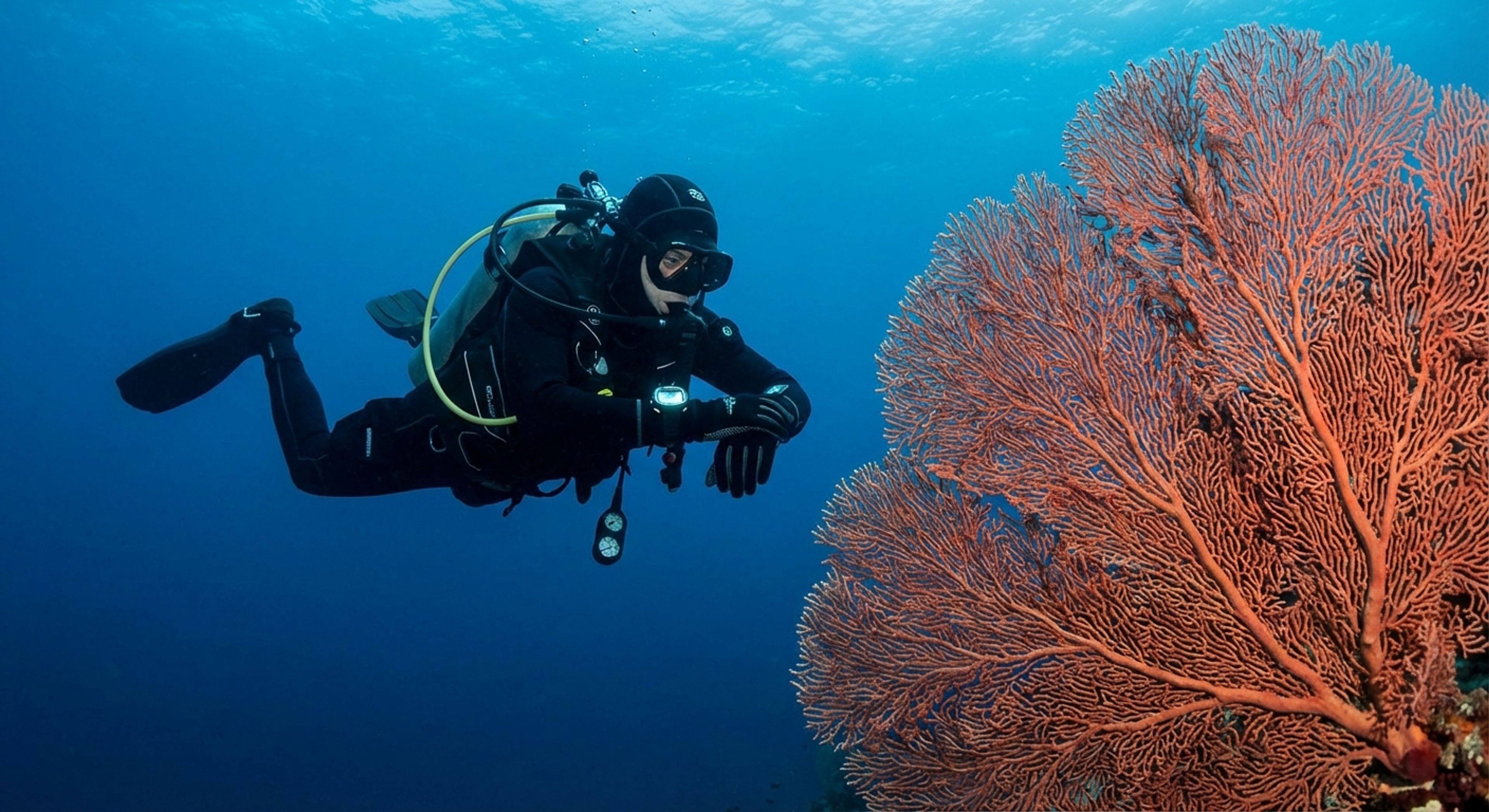
He went back down. He did it. He learned to control his buoyancy, to hover motionless like a Zen master, to watch his own air gauge. When he finished the course, he was not just looking at the fish. He was moving with them. He was independent.
The Hard Facts: A Comparison
I like stories, but sometimes a table is better to see the truth. Here is the breakdown of what you actually get.
| Feature | Discover Scuba Diving (DSD) | Open Water Diver (OW) |
|---|---|---|
| What is it? | A quick experience. A "test drive." | A full certification course. A license. |
| Depth Limit | Max 12 meters (usually shallower). | Max 18 meters (allows you to see much more). |
| Independence | Zero. An instructor must be right next to you, usually holding you. | High. You can dive with a buddy, independent of a professional. |
| Time Required | Half a day (2-3 hours). | 3 to 4 full days. |
| Theory | Minimal. Just a quick briefing on safety signals and ear equalization. | Heavy. You learn physics, physiology, equipment assembly, and dive planning. |
| Skills | Very few. Clear mask, find regulator. | Many. Hovering, emergency ascents, equipment removal, cramping, towing a tired diver. |
| Validity | None. It expires when you leave the water. | For Life. Your card never expires. |
The "Price" of Freedom
You see that row about skills? That is the most important part.
In the Open Water course, we teach you what to do when things go wrong. What if your regulator breaks? What if you run out of air? What if your buddy gets a cramp?
It sounds scary, I know. But knowing these things gives you peace. When you know you can handle a problem, you stop worrying. You relax. And when you relax, you use less air. You stay down longer. You see the Moray Eel hunting in the cracks.
The DSD is wonderful if you are short on time. Maybe you are in Dahab for only two days. You want to say you have been under the Red Sea. Good. Do the DSD. I will take you to the shallow eel garden. It is colorful. It is safe.
But if you do a DSD today, and then go to Thailand next year, you start from zero. You are a beginner again.
If you do your Open Water here with me, you leave with a card. A gold card or a blue card. Next year, you go to Thailand, or Mexico, or Australia. You show them the card. They say, "Okay, here is a tank. Go have fun with your buddy." You are part of the tribe.
The Magic of the Blue Hole
I must mention the Blue Hole. It is famous, yes? Everyone wants to dive the Blue Hole.
If you are a DSD student, I can take you to the edge. You can look into the blue abyss from the safety of the wall at 10 meters. It is nice. You see the color.
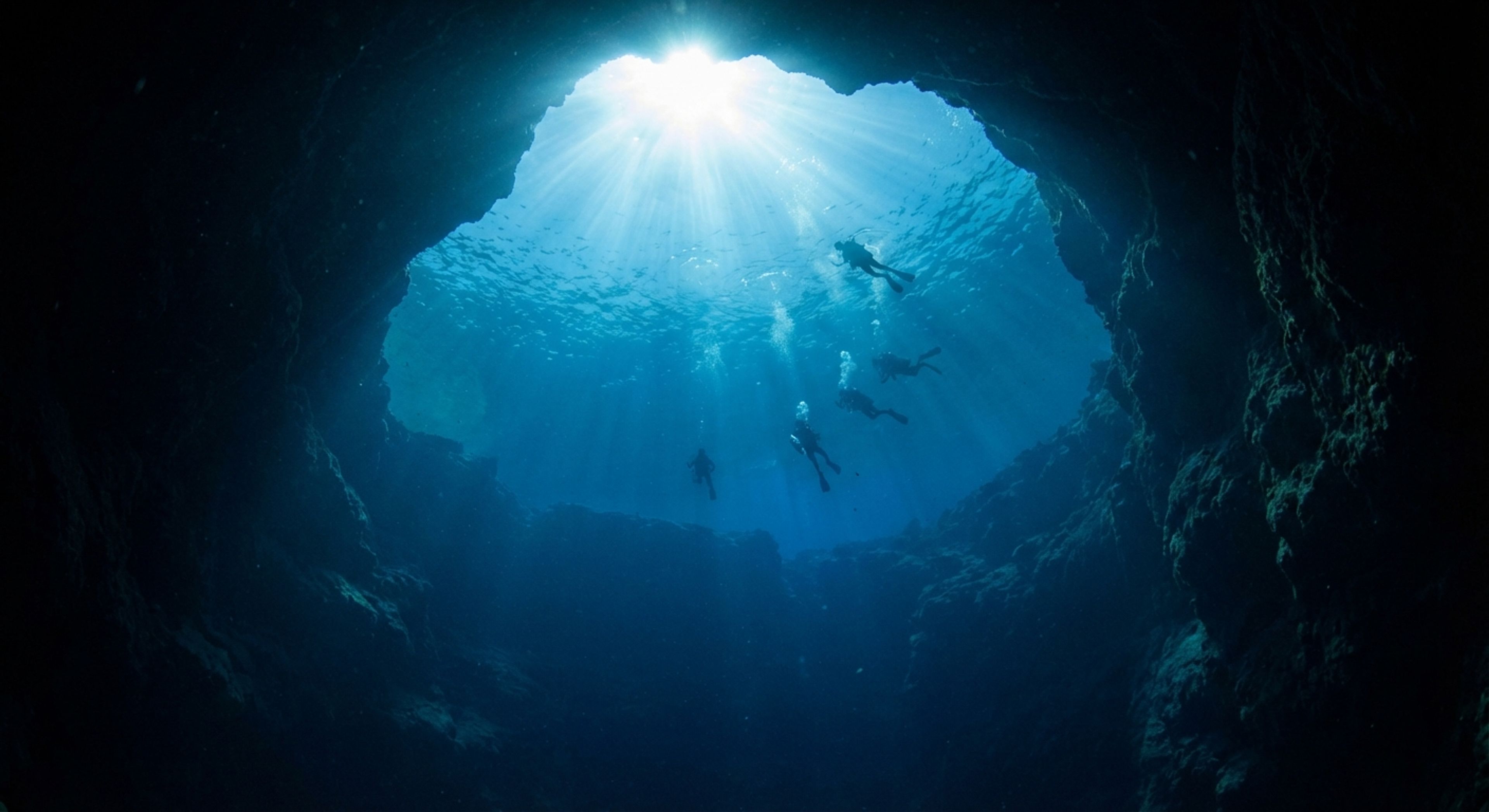
But if you are Open Water? Ah. We can do more. We can dive the inside walls. We are still limited to 18 meters, do not forget this, so we cannot enter "The Bells" chimney, which drops to 28 meters. That is for Advanced divers. But even at 18 meters inside the hole, you feel the wall towering above you. You see the light playing tricks on the deep blue. You feel small. It is a spiritual feeling.
Which One Should You Choose?
My friend, drink your tea before it gets cold.
Here is my advice.
Choose DSD if:
- You are not sure you like the water.
- You have anxiety about claustrophobia and want to test it gently.
- You only have one afternoon free.
- You just want a cool photo for your Instagram without studying books.
Choose Open Water if:
- You love the ocean and know you want to return.
- You want to feel weightless, truly weightless, like an astronaut.
- You want to understand what is happening around you.
- You want a hobby that will change the way you travel forever.
The sea is the last quiet place on Earth. Down there, no phones ring. No bosses yell. It is just you and the sound of your own breath. Hiss... bubble... hiss... bubble.
If you just want to peek through the window, let me take you for a DSD. I will keep you safe.
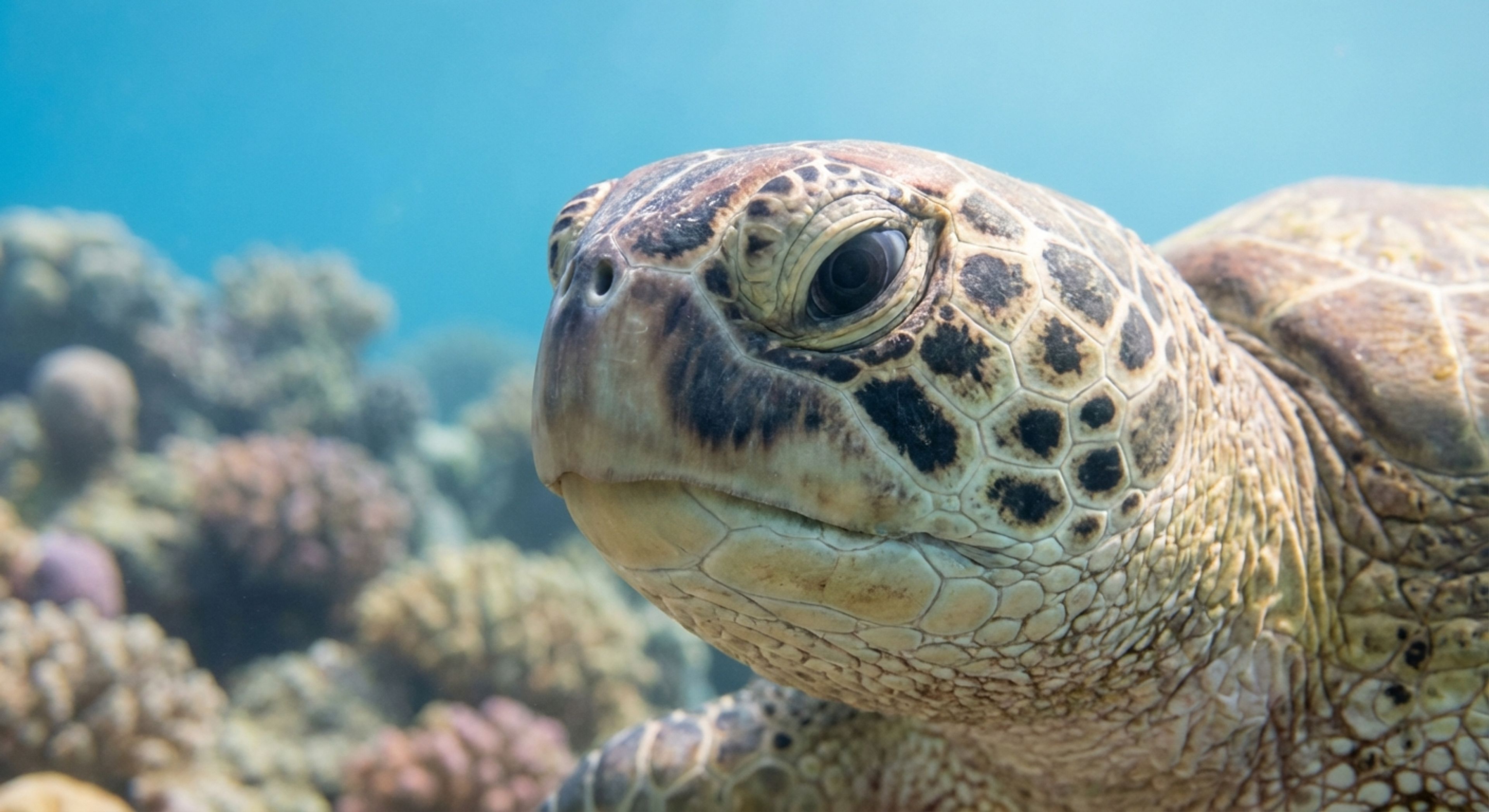
But if you want to open the door and walk into the garden, take the course. It is work. You will get salt in your eyes. You will be tired at night. But when you float over a coral block and a turtle looks at you, eye to eye, knowing you belong there... that feeling is worth more than gold.
So, tell me. What size tank shall I prepare for you?