
Human Error in Diving: 80% of Accidents Are Your Fault
The ocean doesn't care if you live or die. Statistics show that 80% of diving fatalities stem from human error, not gear failure. Here is a cold look at why divers die and how situational awareness keeps you breathing.
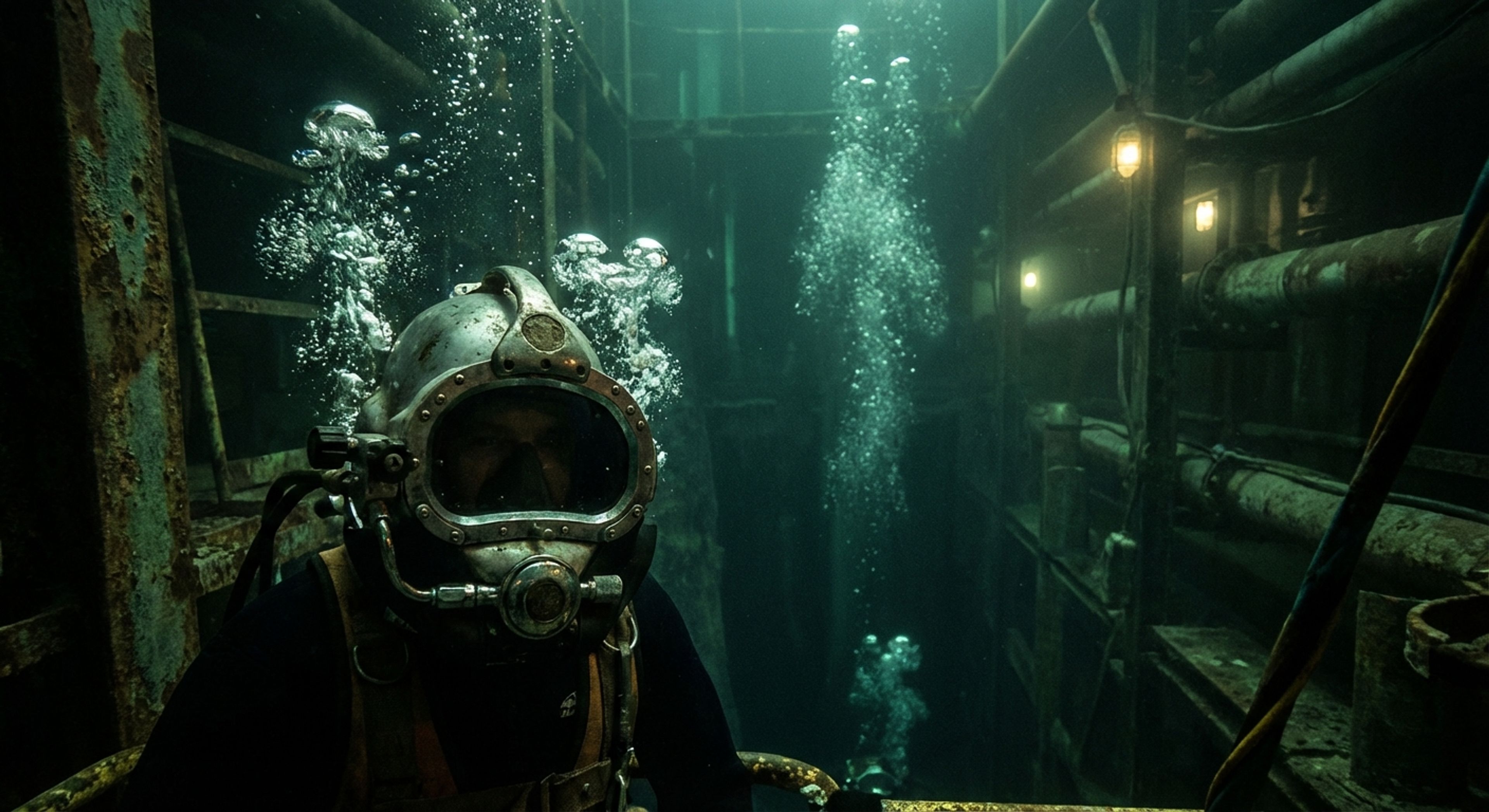
I am writing this from a pressurized living habitat. Outside the steel walls, the North Sea is pressing in with enough force to crush a hatchback. We are at saturation depth. It is cold. It is dark. And if I make a mistake here, I am dead before I even realize I messed up.
People ask me about gear failure. They ask about shark attacks. They ask about the bends.
They focus on the wrong things.
The ocean is a hostile environment. It is not your friend. It is an industrial workspace where physics dictates survival. If you respect the physics, you live. If you ignore them, you die. The Divers Alert Network (DAN) releases annual reports on diving fatalities. Every year the numbers tell the same story. Roughly 80% of diving accidents are not caused by a regulator exploding or a tank valve shearing off. They are caused by human error.
That means in 8 out of 10 body bags, the equipment was working fine. The brain operating it was the problem.
The Statistic That Should Scare You
When I look at recreational divers in warm water, I see complacency. They treat the ocean like a swimming pool. They rely on dive masters to check their air. They trust a single O-ring with their life without inspecting it first.
DAN data is clear. The "triggering events" for fatalities usually start small. A leaking mask. A cramp. A bit of current. These are minor annoyances. In commercial diving, we deal with these before breakfast. But for an untrained or complacent diver, a minor problem escalates into panic. Panic leads to rapid ascent or drowning.
The root causes break down into four main categories: gas supply, buoyancy, panic, and stupidity (exceeding limits). Let's dissect them.
Running Out of Breathing Gas
I have zero sympathy for this one.
In saturation diving, our gas is reclaimed. It is monitored by a team of life support technicians topside. We know exactly what we are breathing and how much we have down to the molecule.
Recreational divers run out of air because they aren't paying attention. It is that simple.
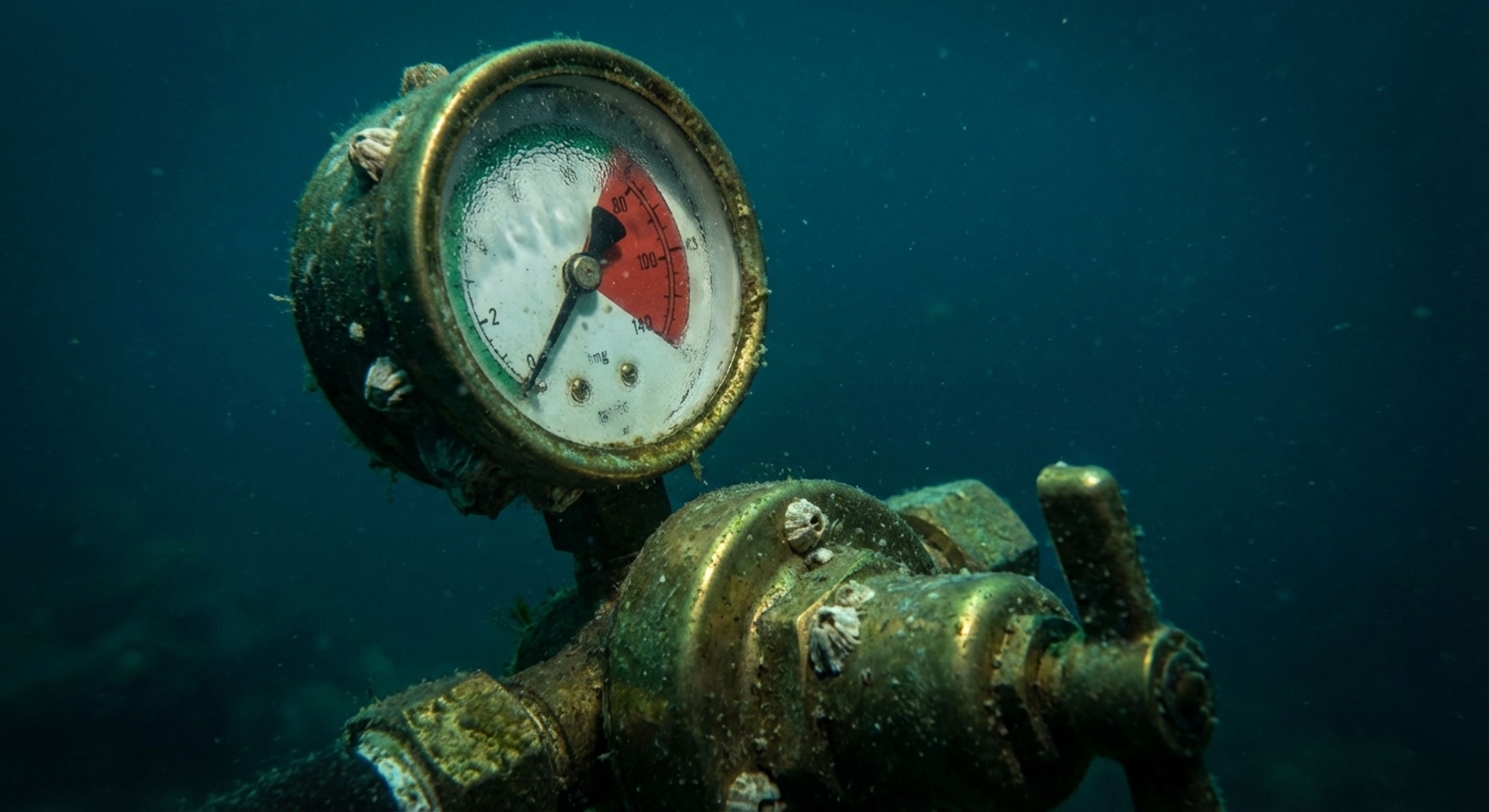
DAN reports consistently show "insufficient gas" as a leading trigger for fatal accidents. How does this happen? You have a gauge right in front of your face.
It happens because of distraction. You see a turtle. You chase the turtle. You forget you are at 30 meters and your consumption rate has doubled because you are kicking hard. Suddenly the regulator gets stiff. You suck hard and get nothing.
Now you have seconds to solve a problem you should have seen coming ten minutes ago.
If you run out of gas, you have failed the most basic requirement of being underwater: maintain your life support.
Buoyancy Control Failure
Warm water divers love to overweight themselves. They strap on twelve kilos of lead just to sink, then inflate their BCD like a balloon to float. This is a recipe for disaster.
Uncontrolled rapid ascents cause arterial gas embolisms (AGE). This is where your lungs over-expand and air bubbles force their way into your bloodstream. It kills you quickly. On the flip side, being unable to establish buoyancy at the surface leads to drowning.
I remember watching a "tech diver" in Scapa Flow. He was in a dry suit, untrained. He couldn't manage the bubble in his suit. He went feet up, air rushing to his boots. He shot to the surface from 15 meters like a Polaris missile. He was lucky he didn't stroke out or rupture a lung.
In commercial diving, buoyancy is neutral. We are heavy. We walk on the bottom or work from a stage. Stability is safety. If you cannot hover motionless at 3 meters for five minutes, you have no business being deep.
The Panic Spiral
Panic is the killer. It is the lizard brain taking over.
When a human panics, they stop thinking. They hold their breath. They bolt for the surface. They spit out their regulator.
I have seen panic in the eyes of men who should know better. It smells like fear. In the freezing water of the North Sea, panic means hypothermia and death.
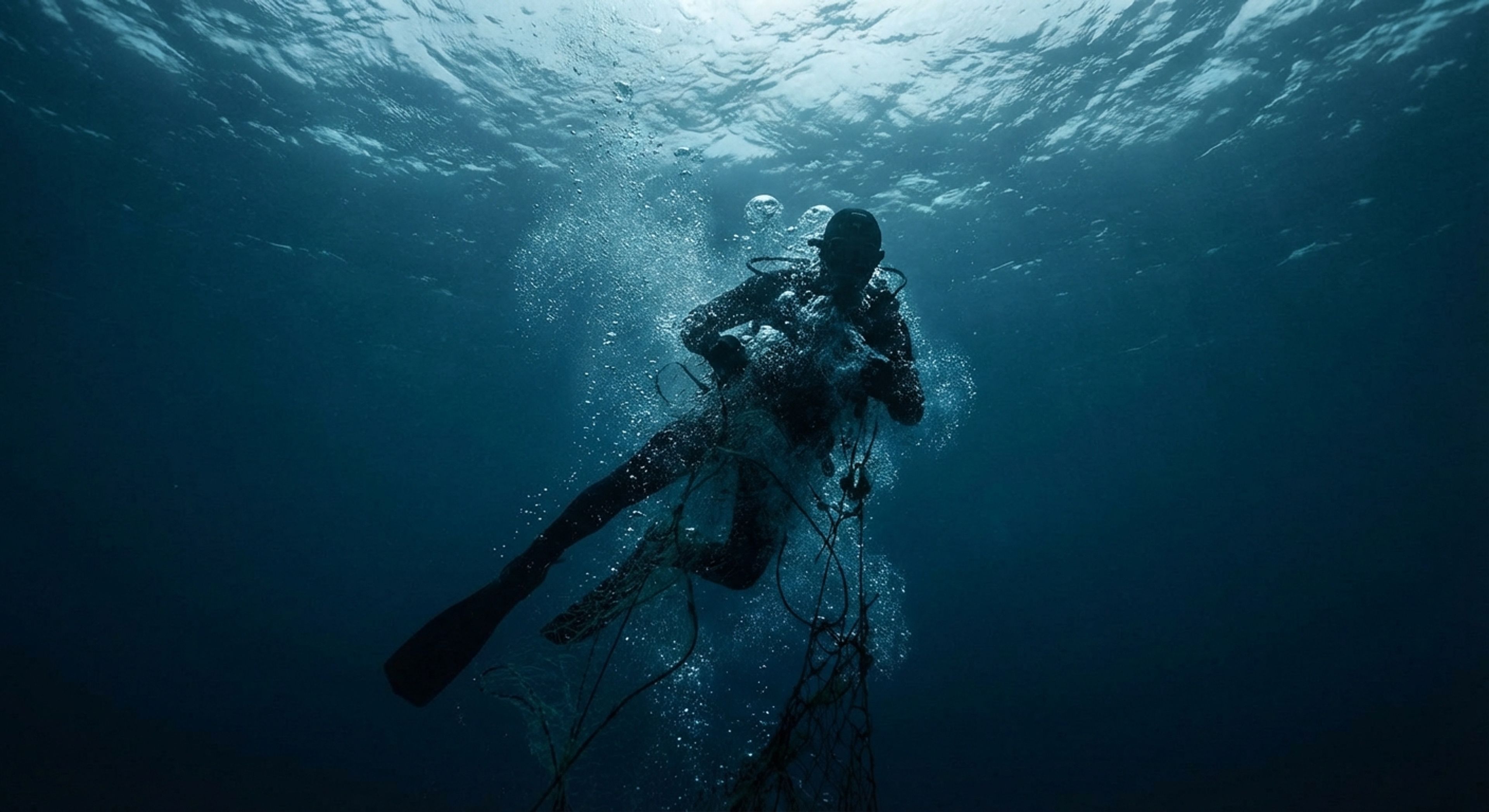
The DAN reports highlight that "trapped or entangled" is a common trigger. But the entanglement doesn't kill you. You have a knife. You have a buddy. You have air. What kills you is the psychological reaction to being stuck. You thrash. You burn through your gas. Your heart rate spikes. Carbon dioxide builds up.
High CO2 is dangerous. It triggers "air hunger," making you feel like you are suffocating even if you have air. This creates a feedback loop of terror.
The only way to kill panic is training. You must stress-proof your brain. In commercial school, they turned off our air. They tied knots in our hoses. They flooded our masks. They made us solve complex math problems while freezing.
You learn that as long as you can breathe, you can solve the problem.
Exceeding Personal Limits
This is the "stupidity" category.
Recreational divers entering caves without cave training. Open water divers going to 40 meters on a single tank. People diving with cardiac conditions or poor fitness.
The ocean is unforgiving of ego.
We use a term: Normalization of Deviance.
It means you break a safety rule once and don't die. So you think the rule is stupid. You do it again. And again. Eventually, the probability curve catches up with you.
You dive to 50 meters on air. Nothing happens. You think you are immune to narcosis. The next time, at 45 meters, things go wrong. You are narc'd. You make a bad decision. You don't come up.
Comparison: Recreational vs. Commercial Mindset
| Factor | Recreational Approach | Commercial/Technical Approach |
|---|---|---|
| Redundancy | Single tank, single regulator. "My buddy is my backup." | Twin tanks, independent regulators, bailout bottles. "I am self-sufficient." |
| Gas Planning | "I'll go up when I hit 50 bar." | Rule of Thirds. Rock Bottom calculation. Surface with reserve. |
| Equipment | Rented gear. Serviced maybe once a year. | Personal gear. Checked before every splash. Redundant failure points. |
| Panic Response | Bolt to surface. | Stop. Breathe. Think. Act. |
| Cold Protection | 3mm wetsuit (shivering). | Hot water suit or crushed neoprene dry suit (thermal stability). |
Situational Awareness
This brings us to the most critical skill in diving. It is not finning technique. It is not how many distinct species of nudibranch you can identify.
It is Situational Awareness.
This is a military and industrial concept. It means knowing what is happening around you, what is happening to your gear, and what will happen in the next five minutes.
Most accidents happen because the diver's awareness collapses to a single point. They focus on the camera. Or the fish. Or the tangled line. They lose the big picture.
They stop checking their pressure gauge. They stop checking their depth. They lose track of their buddy.
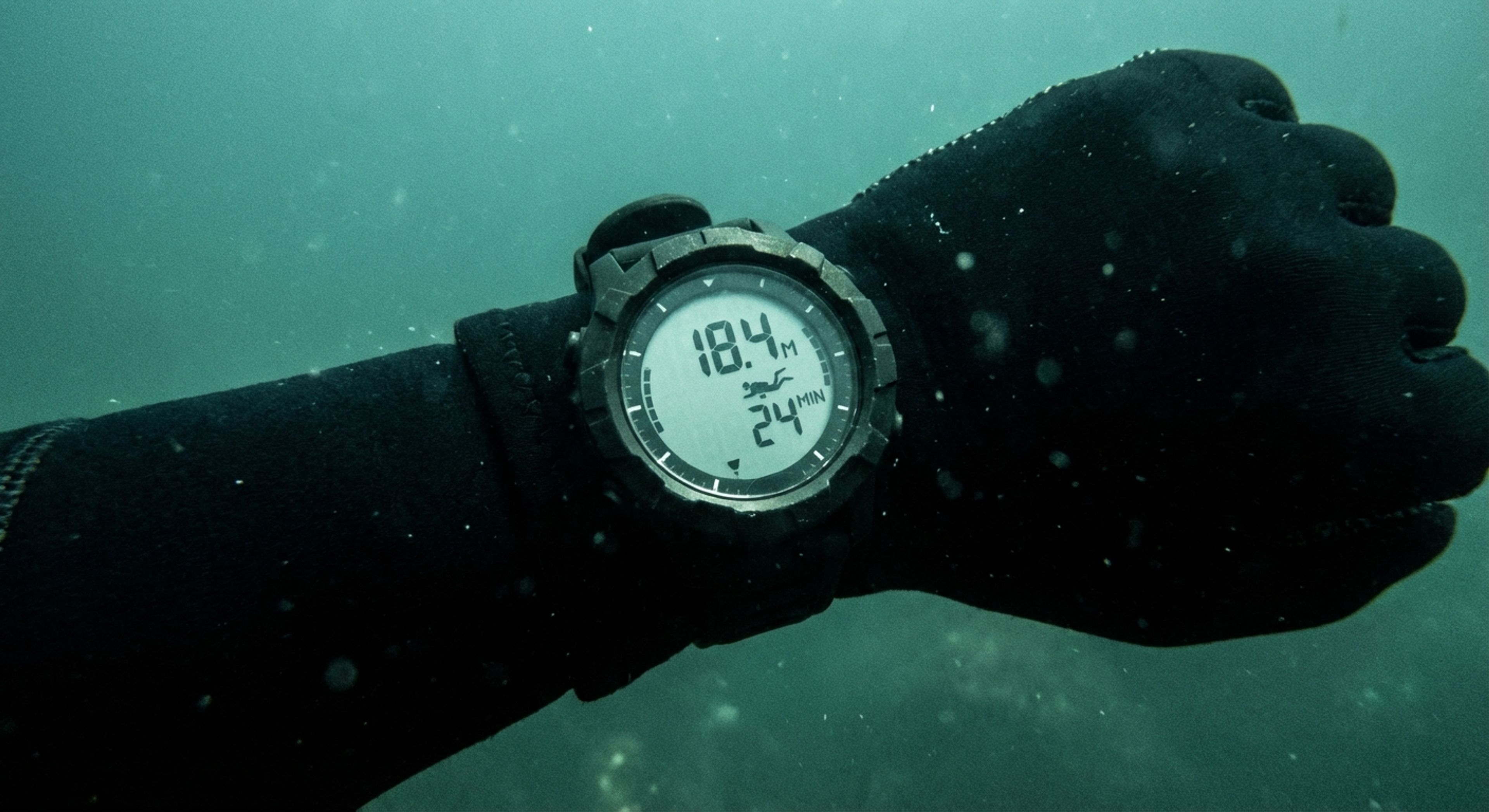
In my line of work, we are constantly scanning.
- Gas: How much do I have? How much does my bailout have?
- Depth: Am I holding station?
- Time: How long until decompression obligation increases?
- Environment: Is the current shifting? Is the visibility dropping?
- Self: Am I cold? Am I tired? Is my breathing rate elevating?
If you can maintain this loop, you will not be part of the 80%.
The Bottom Line
We work in the dark. We work under pressure. We weld pipelines and salvage wrecks where the water is 4 degrees Celsius. We do not have accidents often.
Why?
Because we assume everything is trying to kill us. We check everything twice. We plan for the worst.
Recreational diving is sold as a "fun" lifestyle activity. Agencies sell you certifications with pictures of smiling people in warm, clear water. They don't show you the embolisms. They don't show you the panic attacks.
If you want to survive the ocean, stop acting like a tourist. Start thinking like an operator.
Check your own gear. Don't trust the shop. Watch your gas like your life depends on it. Because it does. Stay within your training. The cave doesn't care if you are brave. Keep your head on a swivel.
The water is waiting for you to make a mistake. Don't give it the satisfaction.