

Opening a Dive Shop: The Real Costs Behind the Dream
Everyone thinks owning a dive shop is just drinking beer on the beach and watching sunsets. Hay naku. Let Tatay Santiago tell you about the real cost of rust, rent, and broken compressors.
I was cleaning the first stage of an old Scubapro Mk2 yesterday. The chrome is peeling, but it works. It always works because it is a piston regulator, simple, tough. Then this young kid, maybe 25 years old, comes up to me. He has a new dive computer, the one that looks like a fancy smart watch and costs more than my first motorcycle. He says, "Tatay, I want to quit my office job. I want to open a dive center here in Batangas. Live the dream."
Sus maryosep. The dream?
I looked at him. I looked at the grease on my hands. I looked at the pile of wetsuits that smell like pee and vinegar drying in the shade.
"Sit down, anak," I told him. "You want to be a boss? You want to own a shop? Let me tell you how you lose your money."
You think diving is about fish and coral? No. The diving business is about rust. It is about salt. And it is about paying bills when the typhoon is blowing outside and no one is diving.
Here is the truth about the costs.
1. The Location: Location Costs Blood
You want the shop right on the beach, yes? So the guests can walk from the room to the boat. Very nice.
Do you know how much beachfront land costs now? In Anilao, in Puerto Galera, even down south in Dauin? It is expensive. If you rent, the landlord will squeeze you every year. If you buy, you are a millionaire already, so why work?
If you choose a cheaper place, far from the water, you have a new problem: Logistics. You need a truck to carry tanks. You need staff to carry weights. Your back will break before your bank account does.
And the salt air... it eats everything.
- Electronics: Your laptop will die in two years.
- Air Conditioners: The condenser fins turn to powder.
- Door Hinges: If you don't grease them, they fuse shut.
You are not just paying rent. You are paying to replace everything the ocean destroys.
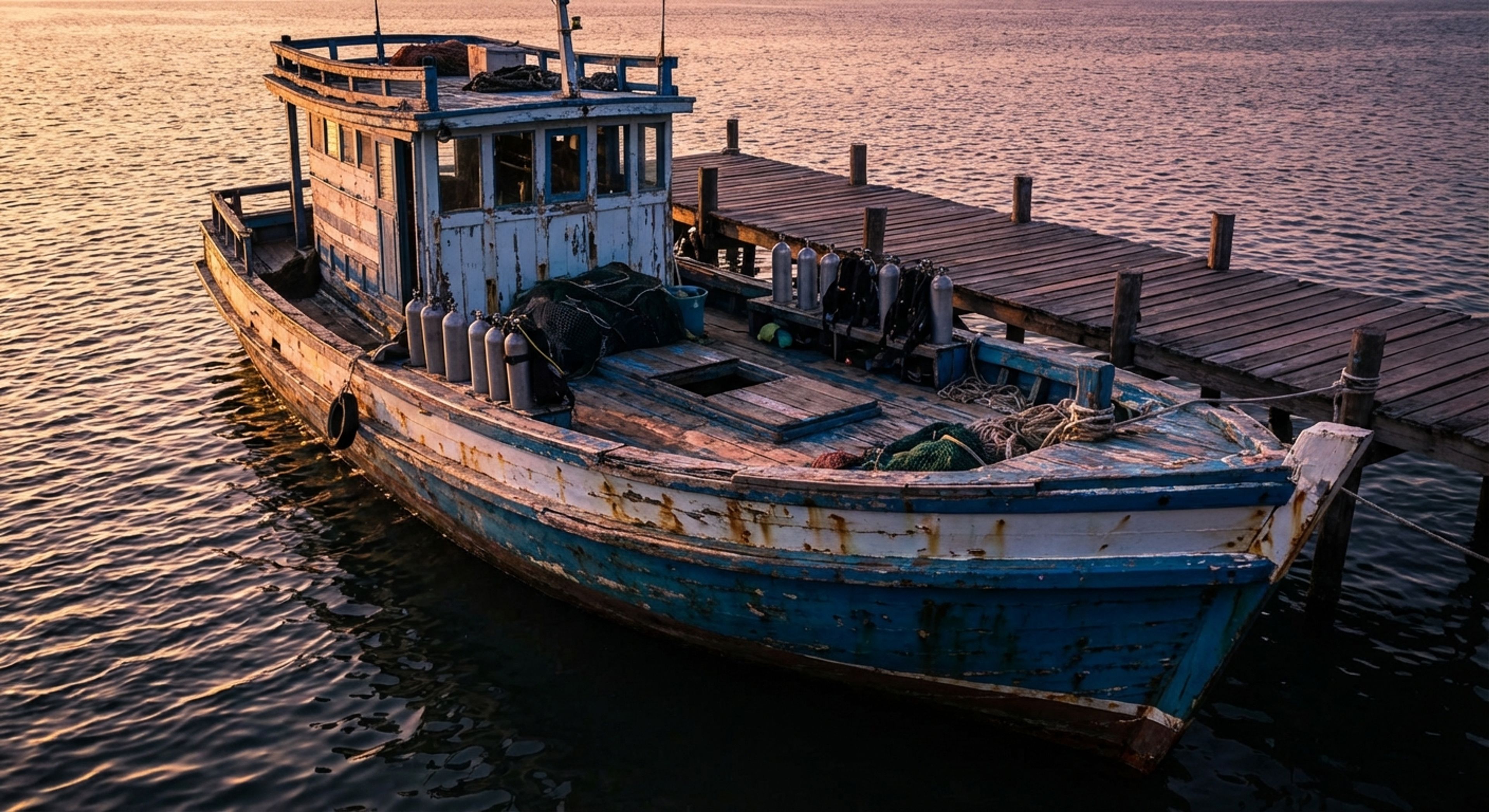
2. The Boat: A Hole in the Water
They say the happiest two days of a boat owner's life are the day he buys the boat and the day he sells it. This is true.
You need a boat. Maybe a traditional bangka with bamboo outriggers, or a fancy fiberglass speedboat.
- The Engine: It will break. Usually at 6:00 AM when you have six guests waiting for a dawn dive. You need a mechanic on speed dial. You need spare impellers, spare fuel filters, spare oil.
- The Hull: You must clean the bottom. Barnacles grow fast in warm water. If you don't clean, the boat is slow, and you burn more fuel.
- Fuel: Diesel prices go up, they never go down. You cannot charge the guest more every time the pump price changes. You eat the cost.
- Registration: MARINA (Maritime Industry Authority) paperwork is a nightmare. It never ends.
You think you are a dive master? When you own a shop, you become a mechanic first.
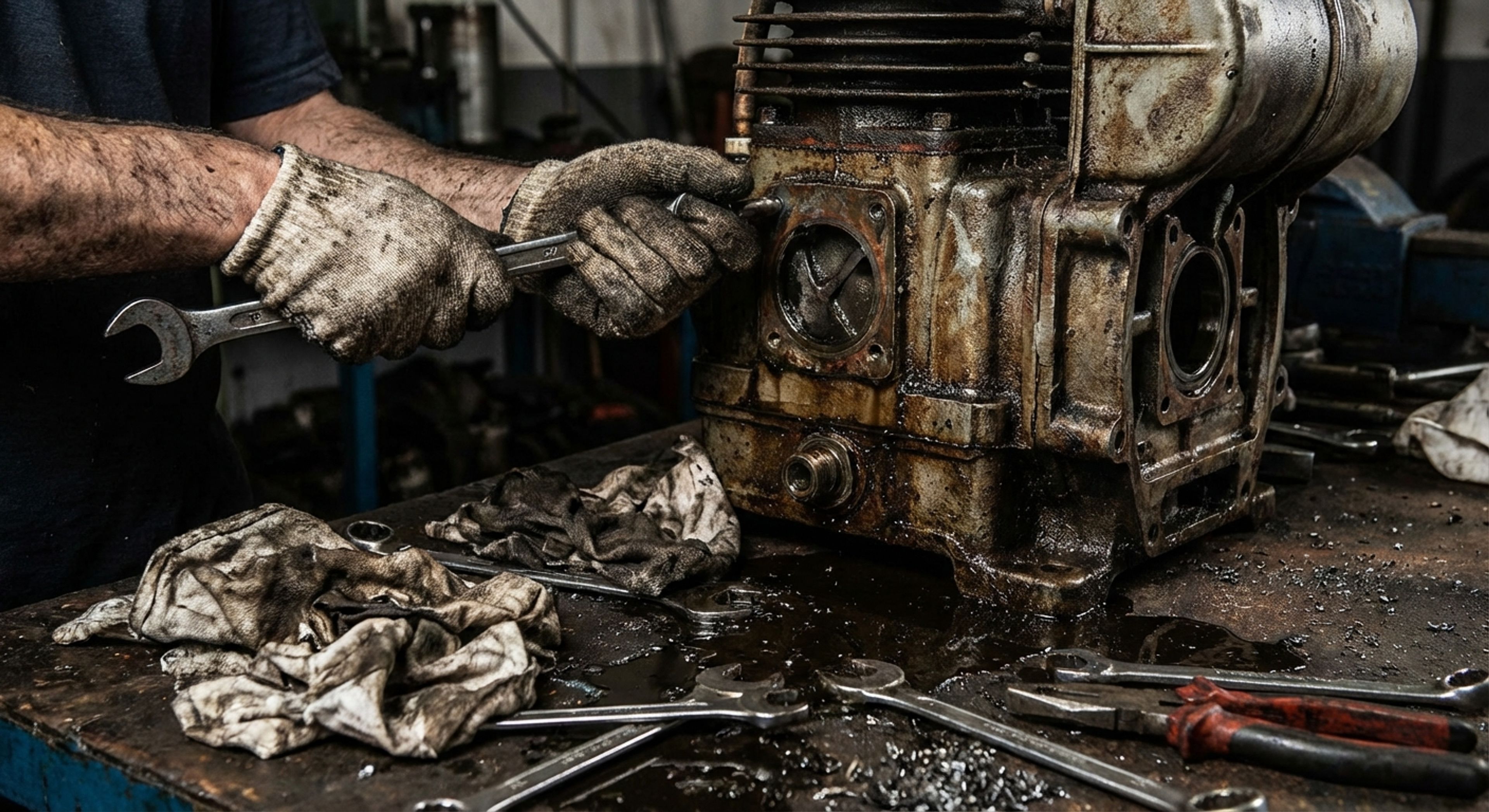
3. The Heart of the Shop: The Compressor
This is the most important machine. No air, no diving.
A good Bauer or Coltri compressor costs thousands of dollars. And it is loud. Tak-tak-tak-tak. All day.
But buying it is the easy part. You must maintain it.
- Filters: You need molecular sieve and activated carbon. If you are cheap with the filters, the air tastes like exhaust or oil. This is dangerous, carbon monoxide poisoning is real.
- Oil Changes: Synthetic compressor oil is not cheap.
- Overhauls: When the compressor breaks, and it will break, you have to ship parts from Manila or overseas. That takes weeks.
What do you do for two weeks? You rent tanks from your competitor. They will smile, say "Kumusta," and charge you double.
4. The Gear: Students Break Everything
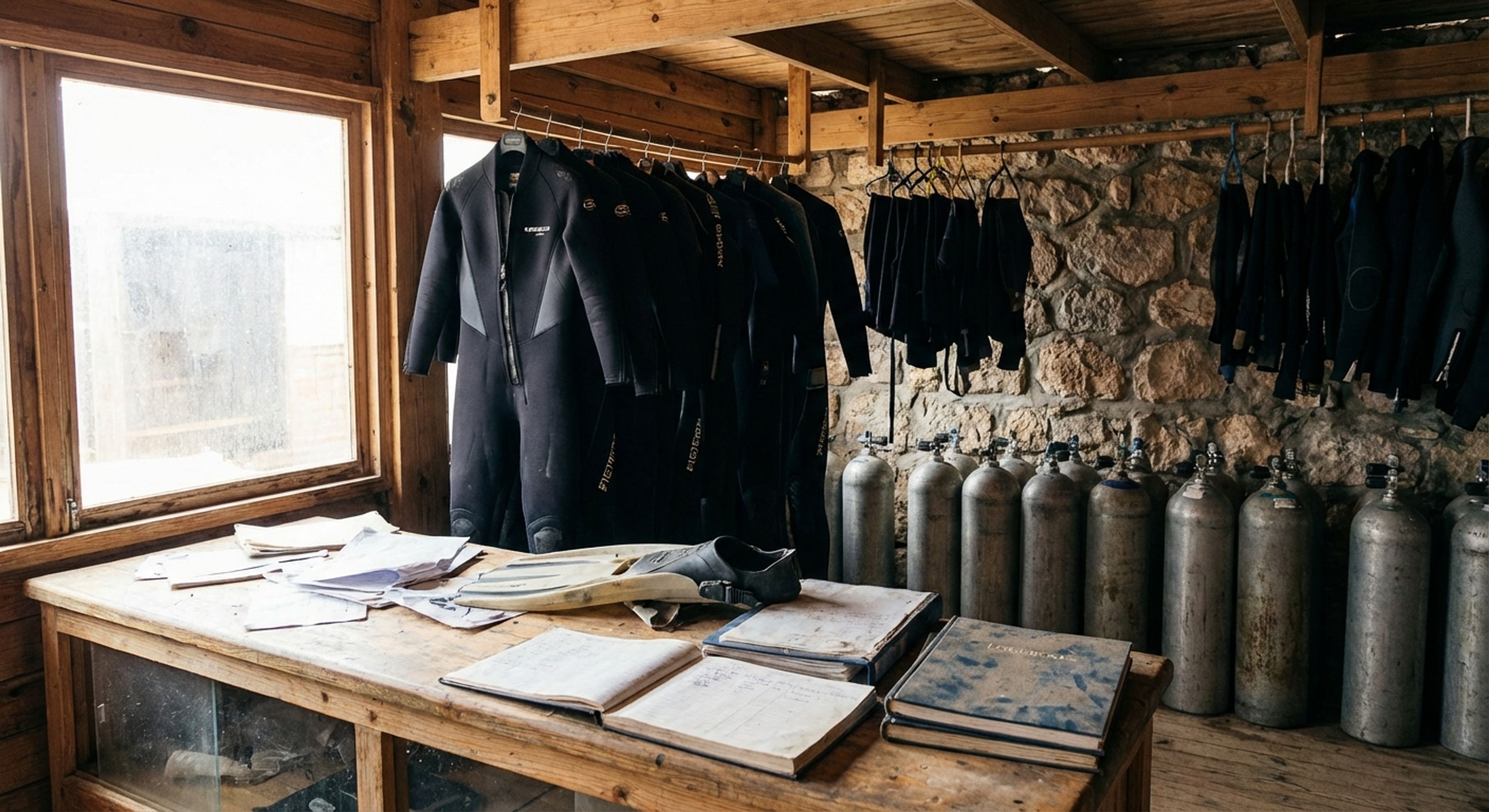
You need rental gear. BCDs, regulators, fins, masks.
Do not buy the fancy stuff with split fins and plastic clips. It will break in one week. Buy the old school gear. Heavy rubber. Unbalanced piston regulators. Simple jacket BCDs.
But even the strong gear suffers.
- Students drag regulators in the sand (ruins the diaphragm).
- They step on masks (cracks the frame).
- They pee in the wetsuits (everyone does, don't lie, but it degrades the neoprene).
- They lose weight belts on the drop-off.
You need at least 20 full sets of gear to start. That is a lot of money. And every year, you must service the regulators to keep them safe. Service kits are not free, and labor takes time.
5. Staff and Insurance: The Headache
You cannot do it alone. You need a team.
- Divemasters: You need locals who know the current. Not some cowboy who looks at his GPS or relies on a fancy computer. You need a guy who can smell a down-current before it hits. You have to pay them well, or they will leave for the resort next door for 500 pesos more.
- Boat Crew: The captain is king. If he says we don't go because of the waves, we don't go. Respect him.
- Insurance: Liability insurance. PADI or SSI store fees. Business permits. Mayor's permit. Barangay clearance. The paper stack is higher than a Nitrox tank.
If a guest slips on the boat and breaks a toe, who pays? You do. If you don't have professional liability insurance, you lose your house.
Cash Flow: The Feast and The Famine
This is what kills the new shops. They open in April. The sun is shining, water is flat, tourists are everywhere. Money is coming in! You feel rich. You buy a new truck.
Then comes July. August. September.
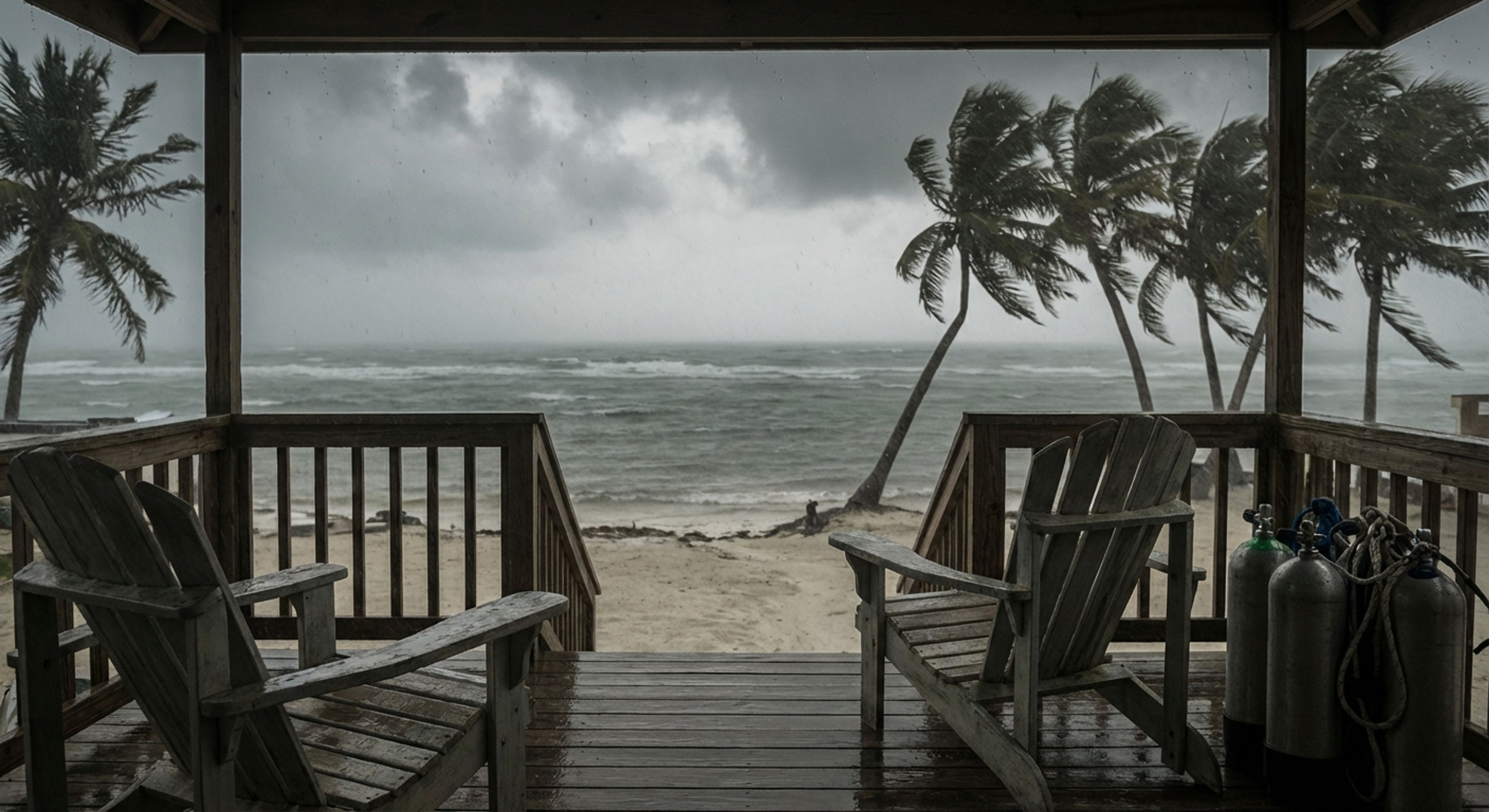
Habagat (Southwest Monsoon) comes. The wind howls. The waves are big. The Coast Guard raises the storm signal and cancels all boats. No boats means no diving. No diving means no income.
But guess what? The landlord still wants rent. The staff still needs to eat rice. The bank still wants the loan payment.
| Expense Category | High Season (Feast) | Low Season (Famine - Habagat) |
|---|---|---|
| Income | High (Full boats) | Zero or very low |
| Rent | Fixed Cost | Fixed Cost (Still paying!) |
| Staff Salary | High (Tips + Daily rate) | Base pay (Must keep them loyal) |
| Maintenance | Minor repairs | Major Overhaul (Dry dock boat) |
| Cash Flow | Positive | Negative (Bleeding money) |
You must save all your money from the summer to survive the rain. If you spend it, you close in October. I have seen it happen a hundred times.
Marketing: You Have to Sell the Dream
I hate this part. In the old days, if you were a good diver, people came. Word of mouth. "Go see Santiago, he knows where the sharks are."
Now? Hay naku. You need Instagram. You need TikTok.
You have to take photos of nudibranchs. You have to take photos of pretty girls in bikinis holding fins. You have to answer emails at 10 PM because the customer in Europe is awake and wants to know if you have oat milk for coffee.
Oat milk! We are on an island! Drink the instant coffee and be quiet.
But you cannot say that. You have to say, "Yes, sir, we are happy to serve you." Customer service is harder than fighting a Titan Triggerfish. You have to smile when they are late. You have to smile when they say they have 100 dives but don't know how to clear a mask.
The Reality Check
Listen to Tatay.
If you love diving, be a Divemaster. Be an Instructor. Let the boss worry about the compressor filter and the boat engine. You just dive, drink your beer, and sleep.
But if you want to be a boss, you must love the business more than the diving. You will dive less. You will sit in the office counting pesos while everyone else is looking for turtles.
It is hard work. It is heavy work.
But... sometimes, early in the morning, when the sea is like glass, and the boat engine is humming perfectly, and the guests come up smiling... it is okay.
Just don't buy the split fins.