

First Dive Trip Abroad? Pack Smart Or Pay The Price
Stop bringing useless toys and learn how to pack your gear properly. Here is the only checklist you need to survive the airport and get underwater without losing your regulator.
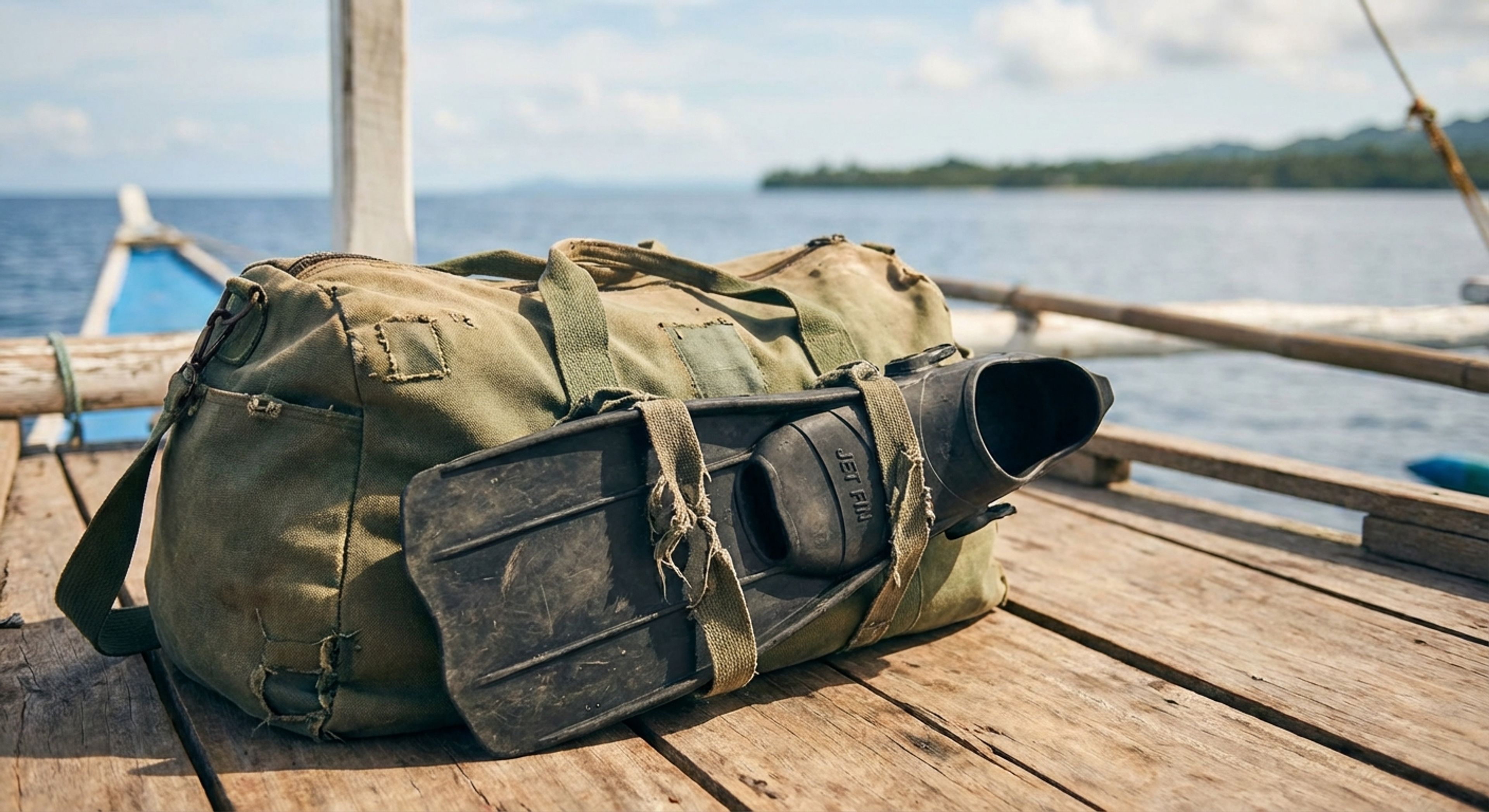
Hay naku. Every time I am at the airport in Manila, I see them. The new divers. They look like they are moving house. Three suitcases. A backpack the size of a carabao. Hard cases that cost more than my first boat. They stand there sweating at the check-in counter, arguing with the poor girl behind the desk about two kilos of excess weight.
Sus. It is painful to watch.
You are going underwater, not to the moon. You think because you have a shiny new certification card you are ready for the world? Maybe. But if you do not know how to pack, your trip is over before you even smell the salt water.
I have been diving since before you were born. I have traveled to places where there is no electricity, only diesel generators and bad coffee. I have learned the hard way. One time in 1989, I went to Sipadan. My bag did not arrive. I dove in borrowed shorts and a BCD that leaked. Never again.
You want to travel for diving? You listen to Tatay Santiago. Leave the fancy toys at home. Pack what saves your dive.
The Philosophy: Needs vs. Wants
First, we must fix your brain. You want to bring everything. You want the giant noise-maker to shake at the sharks. You want the pointer stick to poke the nudibranchs (do not do this, or I will poke you). You want three different GoPro mounts.
Stop it.
When you travel abroad, especially to places like Indonesia, Philippines, or Thailand, you must be lean. Heavy bags make you tired. Tired divers make mistakes. Mistakes under 30 meters of water are not good.
Ask yourself: "If this breaks, will I cry?" If the answer is yes, pack a spare. If the answer is no, leave it at home.
The "Save Your Dive" Kit (Not The Toys)
You people love your split fins. You love your underwater shakers to annoy the fish. But when you are on a liveaboard in the middle of the Sulu Sea, these things are useless.
You know what stops a dive? A ten-cent piece of rubber.
When you go abroad, you are far from your local dive shop. You cannot just run to the store. You need a "Save a Dive" kit. But keep it simple. Do not bring a whole mechanic shop.
The Holy Trinity of Spares
- O-Rings: I cannot say this enough. Bring O-rings. Tank valve O-rings (standard yoke size). High-pressure hose O-rings. Keep them in a small plastic box. When your tank hisses like an angry snake on the boat deck, you will be the hero. Or you can sit out the dive and cry. Your choice.
- Mask Strap: Silicone snaps. It happens. Usually right as you are putting the mask on your face to jump. If you do not have a spare, you are using a zip-tie or duct tape. That pulls your hair. It hurts. Just buy a spare strap.
- Batteries: Your dive computer. Your torch. Even your fancy camera. Batteries die. Cold water kills them faster. In the Philippines, it is warm, but maybe you go somewhere cold? Bring spares. And for the love of God, do not buy cheap batteries. Buy the good ones.
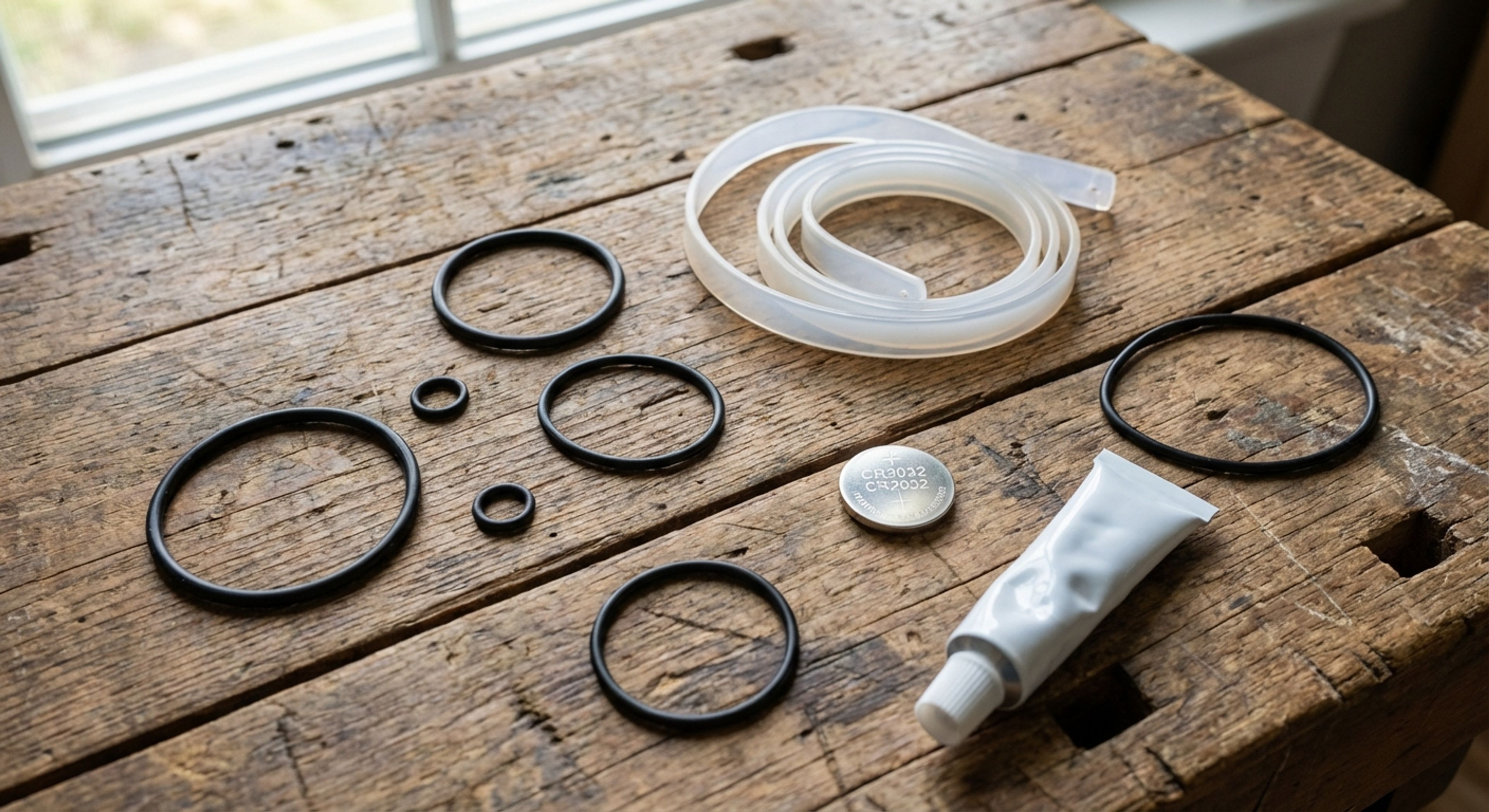
Also, bring zip-ties. The plastic ones. They fix everything. Broken fin buckle? Zip-tie. BCD clip snapped? Zip-tie. Mouthpiece loose? Zip-tie. I once fixed a boat engine with zip-ties and prayer. It works.
Protecting The Money Gear: Regulators and Cameras
Listen to me very carefully.
Never check your regulator.
I have seen how baggage handlers work. I have friends who work at NAIA. They do not care about your Scubapro Mk25. They see a bag, they throw the bag. It is a sport for them.
If you put your regulator in your checked luggage, you are gambling. If the first stage gets bent, or the gauge gets cracked, you are renting gear. And rental gear usually tastes like someone else's breakfast.
The Carry-On Rule
Your regulator goes in your carry-on. Always. Coil the hoses gently. Do not kink them. I use a padded regulator bag, round like a pizza. It protects the hoses.
Your dive computer goes in your carry-on. The cargo hold of a plane gets very cold. Sometimes freezing. This can mess up the pressure sensor or drain the battery of some computers. Keep it with you in the cabin.
Important Safety Note: Lithium batteries (for your lights or camera) MUST go in carry-on. It is international law. If you put loose lithium batteries in your checked bag, security will open your bag, take them out, and throw them away. Then you have no light for the night dive. Good luck.
The Camera Problem
You young people and your cameras. You spend $5,000 on a camera setup but you cannot control your buoyancy. You kick the coral while taking a picture of a sea slug. Hay naku.
But if you must bring the big camera, you must pack it right.
Do not assemble it.
Take the housing apart. Remove the O-rings from the housing so they do not get compressed during the flight. Put the O-rings in a small bag with grease.
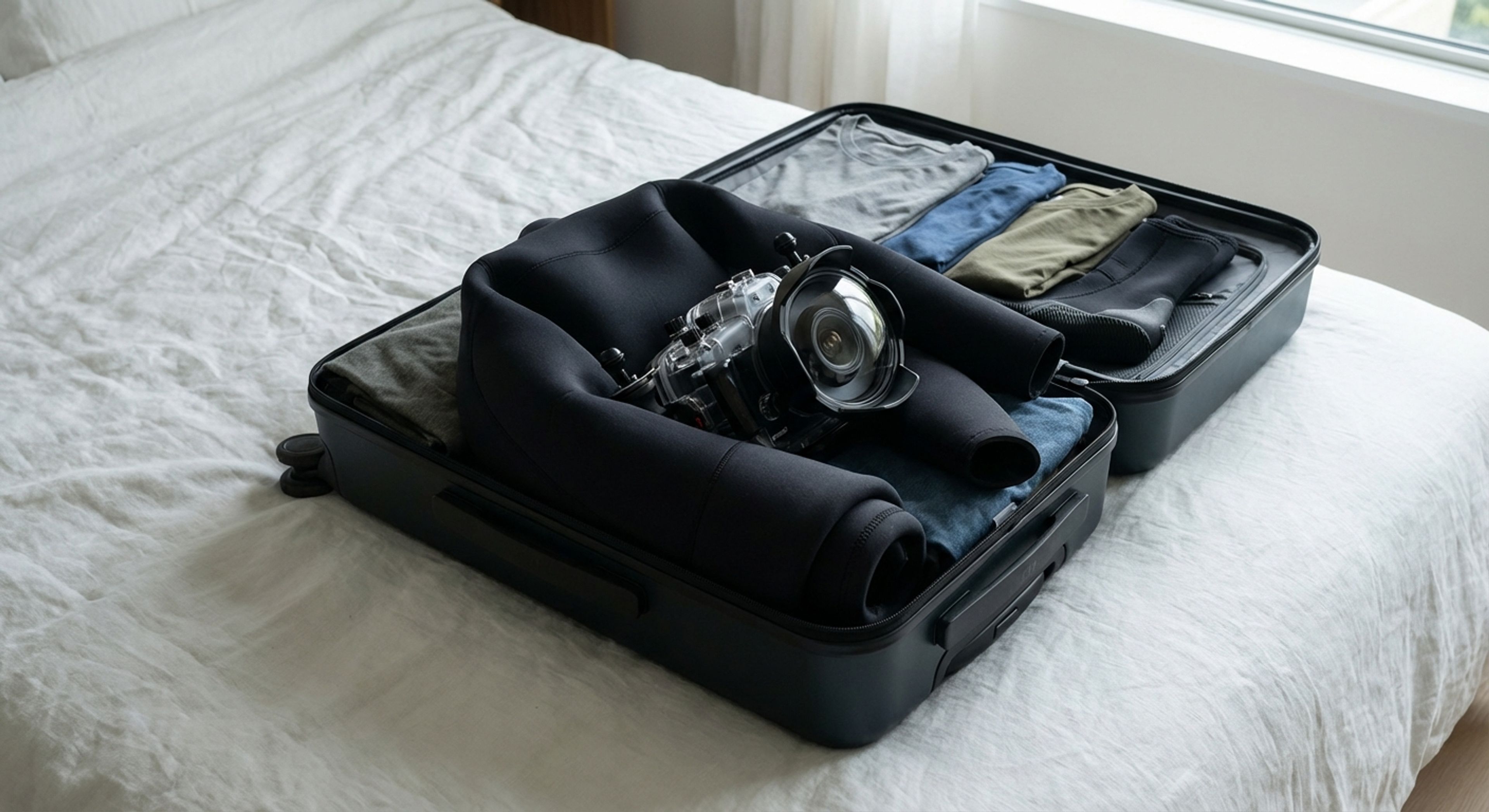
Wrap the camera body in your clothes. Your t-shirts are the best bubble wrap. Put the housing in the center of your hard luggage if you must check it, surrounded by your wetsuit. The wetsuit is thick neoprene. It is made to protect you from the cold, it will protect your housing from the baggage throwers.
Checked Baggage: The Tetris Game
Now for the big bag. The checked luggage.
First, check the airline rules. Every airline is different. Some are generous. Philippine Airlines, sometimes they give extra for sports equipment if you smile and ask nicely. Others? They charge you per kilo like you are buying gold.
Tip: Print the baggage policy. Sometimes the staff at the counter does not know their own rules. If the website says "10kg extra for scuba gear," you print that page. You show it to them. Be polite but firm. Like a good Dive Master.
The Wetsuit Burrito Method
Here is how Santiago packs. I call it the Burrito.
- The Foundation: Lay your BCD flat at the bottom of the bag. It is the backbone.
- The Walls: Put your fins on the sides. They act like a frame. Rigid. Strong. (Unless you have those stupid split fins that flop around like wet noodles. Then they protect nothing).
- The Filling: Take your wetsuit. Lay it flat. Put your delicate things in the middle. Your mask (in its box!). Your snorkel (if you use one, I don't).
- The Roll: Roll the wetsuit around them. Tight. Like a lumpia.
- Placement: Place this roll inside the BCD.
This protects everything. It saves space. It keeps things from sliding around.
A Warning on Dive Knives
Do not put your dive knife in your carry-on.
I saw a tourist in Cebu get arrested because he forgot his titanium knife in his backpack. He missed his flight. He missed the boat. He missed the whole trip. Put the knife in the checked bag. Wrap the tip so it does not poke through your bag and stab the baggage handler.
Weight Distribution
Remember, your bag has a weight limit. Usually 23kg or 30kg.
Dive gear is heavy. Rubber fins are heavy. A backplate and wing? Very heavy.
If you are close to the limit, take the heavy small things out. Put your heavy metal clips in your backpack. Wear your heaviest clothes on the plane. I always wear my jacket. It has big pockets. I can fit a lot of things in there if the counter lady says my bag is too heavy.
The Paperwork (Boring But Necessary)
You think because you have the digital card on your phone, you are safe.
What happens when you land in a remote island in Indonesia and there is no internet? What happens when you drop your phone in the toilet at the airport?
I see this all the time. "Oh Tatay Santiago, I cannot show you my Advanced Open Water card, the wifi is slow."
No card, no deep dive. That is my rule.
Digital is Good, Hard Copy is Better
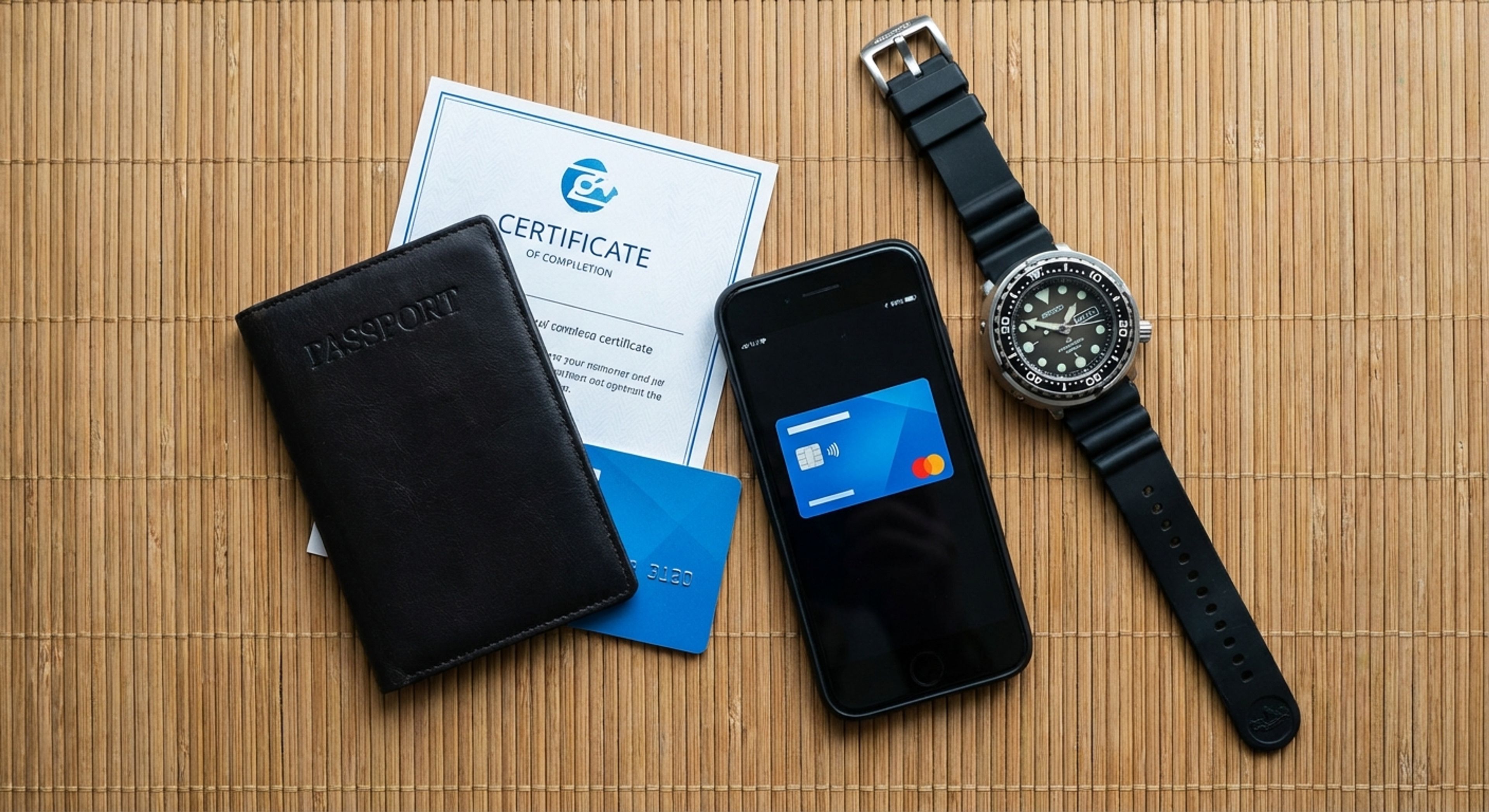
- Screenshots: Take a screenshot of your certification cards. Save it to your phone's photo gallery. Do not rely on the PADI or SSI app opening when you have zero signal.
- Insurance: Diving is safe if you are not stupid. But accidents happen. Decompression sickness does not care how rich you are. A chamber ride costs thousands of dollars. Helicopter evacuation? Sell your house. You need dive insurance (DAN is good). Download the PDF certificate. Save it offline.
- The "Emergency Sheet": I keep a small laminated card in my wallet. It has my blood type, my insurance number, and the emergency number for the local hyperbaric chamber where I am going. I give a copy to my dive buddy. If I am unconscious, I want them to know who to call.
Santiago's "No-Nonsense" Checklist vs. The Tourist Checklist
I made a table for you. Because I know you like to look at lists instead of listening to my stories.
| Item | The Tourist Packer (Wrong) | Santiago's Way (Right) |
|---|---|---|
| Fins | Split fins, white color, very long. | Jet Fins or heavy rubber fins. Fits in bag easily. |
| Mask | Thrown in the bag loose. Scratched lens. | In a hard box. Spare strap taped to the box. |
| Regulator | Checked in soft luggage. Crushed. | Carry-on only. Wrapped in a padded bag. |
| Wetsuit | 3mm shorty for cold water. Shivering. | 5mm full suit. I'd rather be warm than look cool. |
| Spares | Nothing. "The shop will have it." | O-rings, zip-ties, mask strap, mouthpiece. |
| Clothes | 10 outfits for dinner. High heels. | 3 T-shirts, 2 board shorts. You are on a boat! |
| Toiletries | Big bottles of shampoo. Leaks on gear. | Solid soap bar. Sunscreen (Reef Safe only!). |
Final Words of Wisdom
When you travel, you represent us. You represent the diving community.
Do not be the diver who is late to the boat because you are looking for your left bootie. Do not be the diver who blames the airline because you packed your glass dome port next to your lead weights.
Pack with intention. Visualize your dive.
When I pack, I close my eyes. I imagine getting on the boat. I imagine setting up my tank. Tank, BCD, Reg, connect. What do I need? Mask, fins, booties. What if it breaks? Spares.
It is a mental exercise. It calms the mind.
And please, check the weather. If it is typhoon season in the Philippines, do not come and complain about the rain. It is the tropics. It rains. The fish do not care, they are already wet.
Pack light, pack smart, and maybe, just maybe, I will see you underwater without shaking my head.
Now go. Check your O-rings.